06.12.2016
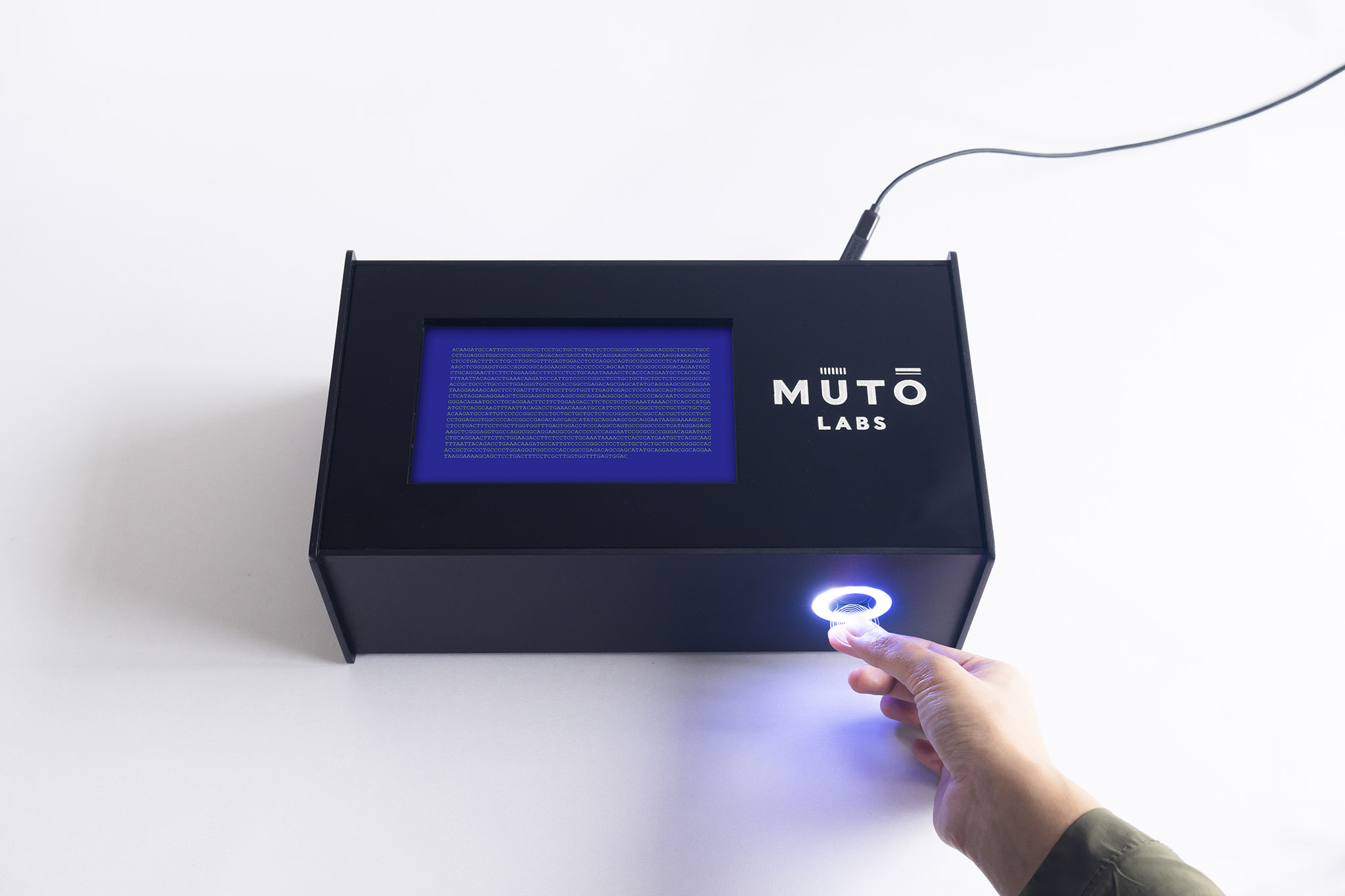
We were invited to the United Nations Development Programme (UNDP) Innovation Summit in Istanbul recently, to present our work and methods around designing futures using the Mūtō Labs Project as a case study.
12.07.2016
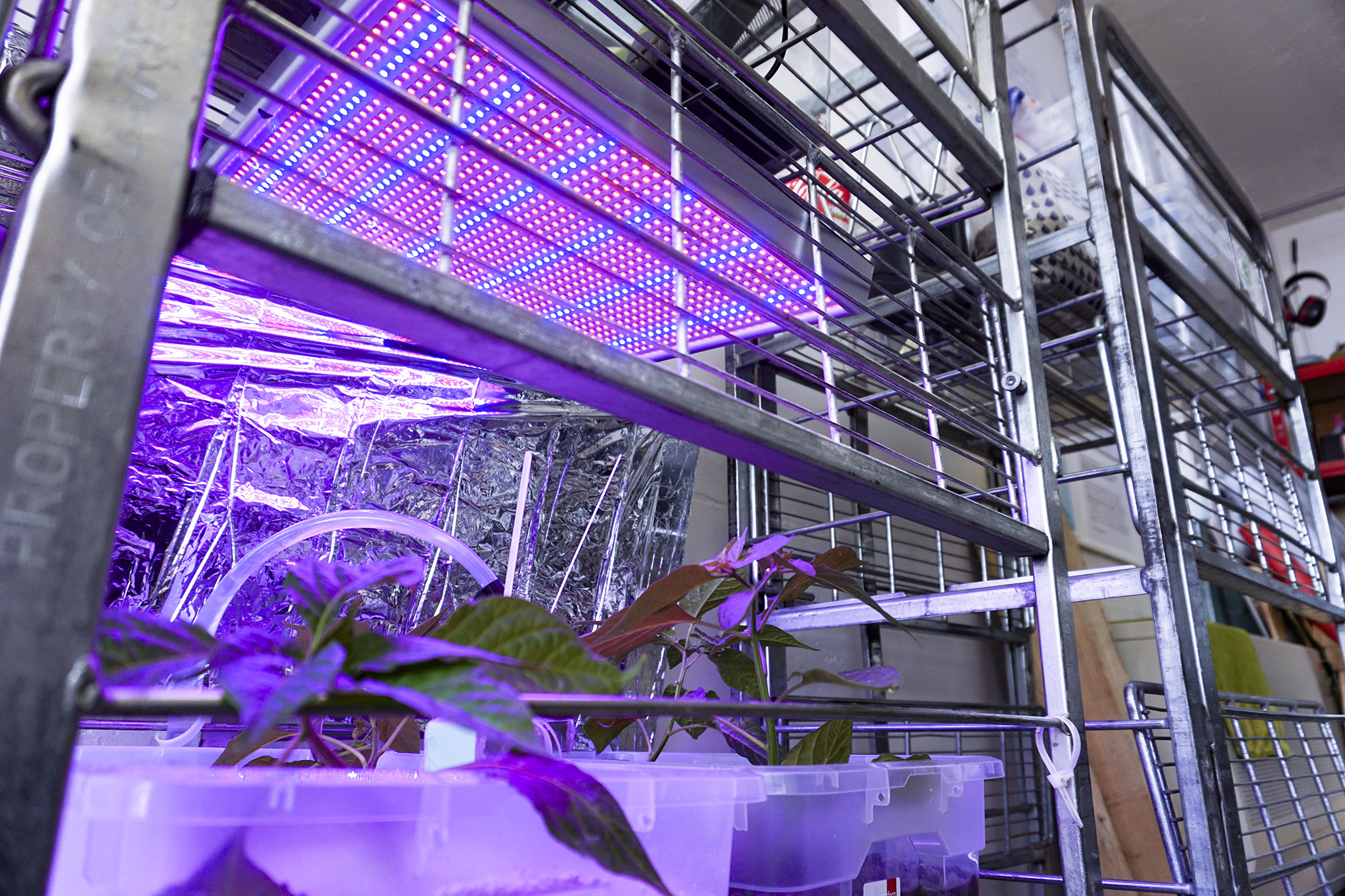
Over ten years ago, I did a project that explored scenarios of a ‘post-apocalyptic civilization’. It was a time when the rumblings of climate change had only just begun to be felt in the public domain. Today things are different. It’s hard to escape the news, certainly impossible to not experience the actual effects of extreme weather conditions, just one of the many signs of climate change.
08.11.2014
At some point in the last couple of days, as the temperature in London plummeted, this post morphed from ‘Autumn’ to ‘Winter’ news. But I’ll stick to the title, just to try and make 2014 that much longer, and delay the inevitable.
The last quarter has been one of the most challenging we have had in the studio’s history, testing every ounce of our perseverance, integrity and commitment. But it has also made us more resilient and we feel proud of where we are today because of it. I want to use this opportunity to thank everyone who has supported and encouraged us in this journey. And so, this post is a quick roundup highlighting some of the good things that have happened recently.
1. DRONE AVIARY in Tokyo
We are thrilled to be able to show the first instantiation of the Drone Aviary project at Tokyo’s stunning 21_21 Design Sight Gallery. It forms part of part of a great show titled The Fab Mind: Hints of the Future in a Shifting World. A shoutout to Dimitri Papadimitriou, Jon Flint, Ian Hutchinson, Sam Conran and Georgina Bourke who played a key role in getting it shipped. And Yosuke Ushigome for orchestrating the work in Tokyo. We shared some of our thinking behind the project on Virgin’s Unite’s series around drones, which was also picked up by Richard Branson. We wiill be doing a detailed post about the project and the work so far very soon, and also sharing more information on the next show in London. I have been leading this project and feel really happy that we are finally moving forward in a direction we want to pursue after some serious set backs.

2. PRODUCT INVENTION HACKATHONS
We recently wrapped up a big client project focusing on product invention and experience prototyping designed in the form of a series of week-long hackathons, led by Anab. The project remains strictly under NDA, but if all goes to plan, you should see the products out in the world by 2016. It was a joy to work with the very talented Philipp Ronnenberg, Dan Williams and Matt Shannon. The studio was a frenzy of intense activity, as concepts and prototoypes were churned out like never before. And ofcourse, it was a real joy to make proper use of our new Ultimaker. The sheer joy on the face of the key stakeholder, as they saw and played with product prototypes, made the efforts more then worth it.
3. BUGGYAIR KICKS OFF
We are thrilled to continue to receive support for IoTA, as we develop demonstrators that show our investigative research and design approach around IoT. The first version of the website is ready, and Anab wrote about the things we learnt during the journey for Nominet Trust. Based on those foundations, we are now working on BuggyAir, where a group of parents will use bespoke sensor kits to measure ground level air pollution that directly affects their children’s health, and use the generated data as evidence for long term behavioural and legislative change.

4. CITIES UNLOCKED LAUNCHES
Future Cities Catapult just launched a major project: Cities Unlocked in collaboration with Microsoft UK and Guide Dogs. We are proud to have been one of the project partners, working with blind and partially sighted people to identify the characteristics of future cities which will enrich their experiences, and to develop potential cityscapes which would inspire them to make journeys into cities and around them. We will be sharing a detailed report about our approach, methods and outcomes in the coming days, but here’s a great interview with Sara Hendren, whom we interviewed early in the process. Also some good press over on BBC, Dezeen and others.
5. BLURRING THE LINES, BRITISH COUNCIL
We are featured in British Council’s remarkable ‘Blurring the Lines’, an exhibition about culture in flux, told through sixteen stories of people reinventing creative exploration and participation. The exhibition is free and open till 19th December, so if you are in the area do check it out. After all, any show where we can sneak in a Playmobil cant be missed.
6. FUTURE FICTIONS, Z33
Dynamic Genetics vs Mann is currently part of the Future Fictions show at the great Z33 in Belgium. With this show, Z33 continues the debate about our future, exploring how contemporary artists, designers and architects relate to future thinking and imaging: from mapping, questioning and criticizing, to developing complex visions about the structures and systems that may shape our life in the future. Designed specifically for the UK context, I continue to hope that one day soon, this project would be show here on home territory.
7. FEATURED IN WIRED UK
I am very pleased that there’s a feature about the Drone Aviary in WIRED UK! (although there seems to be some confusion about the title of the project)
8. FEATURED IN BLUEPRINT MAGAZINE
Blueprint magazine has a great article by Vernica Simpson “Speculate to Accumulate” which features our work and practice.
9. UPCOMING TALKS IN THE US
From Monday 10th Nov, Anab is on a whirlwind tour of the US, for a series of talks, meetings and teaching. Starting with New York, where the first public talk is at the School of Visual Arts, followed by School of the Art Institute of Chicago, where she is part of their visiting artists program. She then goes to Ann Arbor as part of the prestigious Penny Stamps series, and then finally at MOCAD in Detroit. If you are in any of these cities next week, go say hi.
10. LONG NOW LONDON
After much delay we are pleased to have reinstated the great Long Now London meetup group, with Corinna Gardner from the V&A and Alastair Parvain from Wikihouse as inagural speakers. We are grateful to Hub Westminster for offering us the venue, and to Ana Bradley for helping us with drinks sponsorship.
Ten is a good number so I’ll stop here. We also have some exciting news about new people joining us, a project around Indian spacecraft and more, but I’ll save that for another post.
Happy Autumn.
25.10.2013
We are thrilled to announce that our project IoTA: Internet of Things Academy is one of the winners in the Nominet Trust’s Social Tech Social Change challenge. The £1m fund will support ten organisations that use technology to tackle social challenges in the UK and beyond. Each company will receive £50,000 as well as mentorship from some of the world’s leading tech entrepreneurs to develop their early-stage ideas into profitable, scalable social tech ventures.
We are excited to be working with our long term project partners, Forum for the Future to develop the experiment further by building experience prototypes and conducting workshops with a diverse group of people over the next few months. Here’s a film showing early sketches of this web platform.
As members of an increasingly technologically mediated society we need to develop new kinds of critical socio-technical literacies. So making is very important, but also thinking about what we make. As stated earier, IoTA is an experiment and an opportunity for experts, non-experts, curators, challenger seekers, people, and more people to experiment with the technology and data in inventive, playful and ingenious ways. Data, however big and plentiful, that does not necessarily lead to better or more rational decisions. Through IoTA we are not interested so much in how data is made public, but more about how the public make data, build their own hypothesis and make their own decisions.
We would like to thank Nominet Trust for their invaluable support in helping us take this work forward. We would also like to thank Hugh Knowles and Louise Armstrong from the Forum for the Future, who are key partners in this project. And finally we’d like to thank Esther Maughan Mclachlan, Emily Nicoll and Chris Clifton who initiated the Futurescapes project at Sony, which led to the IoTA concept. If you are interested in collaborating or participating please do drop us a line.
(As a note to those who have asked, IoTA or the Internet of Things Academy is a placeholder name, and as the project will evolve and take shape we will think about renaming it appropriately.)
01.08.2013
Over at the Superflux Lab, for the past few months, we’ve been engaged in a research project exploring the politcal and economic implications of synthetic biology and gene therapy. Whilst the research continues, one realisation of the project is now being exhibited at Ars Electronica, and so it’s great to be able to finally share what we’re been working on.
For full information about this project visit our work page.
PRESS RELEASE, SUPERFLUX: DYNAMIC GENETICS vs. MANN


From tissue biopsy samples to an improvised CO2 incubator used in the manufacture of counterfeit genetic therapies, ‘Dynamic Genetics vs. Mann’ presents a body of evidence from a fictional court case. Unfolding as a rich narrative, this new project from Superflux explores a world where designed and patented genetic material enters the human body through illicit means.
This work forms part of ‘Project Genesis’, curator Matthew Gardiner’s flagship exhibition at the Ars Electronica Centre in Linz, Austria. It opened to the public on Friday 2nd August, and is part of the Ars Electronica festival in September 2013.
‘Dynamic Genetics v Mann’ was commissioned by Design Interactions Research Department at the Royal College of Art, and has been realised as part of Studiolab; a three-year initiative funded by the European Commission 7th Framework Program.
SUMMARY
History has shown that political and economic forces exert as great an influence on the development and application of technology as the aspirations of scientists and engineers. ‘Dynamic Genetics vs. Mann’ explores the technological trajectory of synthetic biology, extrapolating from current social, economic and political trends so as to locate the technology within a broader cultural landscape.
This project imagines a world in which synthetic biology and gene therapy have moved from the lab to the marketplace. In this world, the responsibilities of the state have shifted from healthcare to the provision of health insurance. By calculating the likely impact of specific gene combinations, insurance rates are adjusted on a person-by-person basis, ensuring that individual ‘contributions’ more accurately reflect the potential costs associated with their genome.

What new legal and economic models might emerge under these conditions? How will intellectual property be applied and policed when designed genetic material makes its way into people’s bodies and their lives? Who are the winners and losers in such a world?
THE EXHIBIT

The primary plot of ‘Dynamic Genetics vs. Mann’ reveals the increasing vulnerability of protagonist Arnold Mann, an ‘ordinary citizen’ whose insurance contributions spike dramatically after a regulatory spit test from the NHI (National Health Insurance) reveals elevated risks across a range of chronic health conditions in his genetic profile. Caught between an inflated health levy and the staggering cost of private treatment, a desperate Arnold turns to a black market clinic for a gene upgrade. This treatment will reduce his health insurance bill at the cost of permanently modifying his DNA with patented, but unlicensed therapy.
The collection of evidence presented in the exhibition, including an interrogation video, alongside other corroboratory, forensic, scientific, digital and material evidences, make a strong case against Mann, who is accused by Dynamic Genetics, a major corporation in the genetic therapy industry, of illegally possessing their proprietary DNA. Items including tissue biopsy samples, covert surveillance photographs, genetic search warrant, ‘found’ documents, newspaper clippings, and an improvised CO2 incubator, are presented by G5P, a private security agency hired by Dynamic Genetics to carry out the investigation.
Visitors to the work are encouraged to explore the body of evidence, piecing together this foreboding story that questions the ethical and economic implications of the new forms of genetic technology that are quietly transforming our world.


CONTEXT
The project ‘Dynamic Genetics vs. Mann’ takes place in the United Kingdom, following government efforts to privatise and outsource services previously undertaken by the NHS (National Health Service). The project also takes into account large-scale citizen DNA databases, big data, and the growing popularity of companies like 23andMe, which allow customers to exchange small samples of their saliva for access to information about likely health risks based on their genetic information – with many unwittingly ceding their genetic privacy in the process. We are already witnessing the rise in private companies’ attempts to patent genetics in order to secure profits as well as established industries going to evermore extreme lengths to protect intellectual property.
Projecting forward from our current economic and political landscape, these and other developments provide governments and large corporations with the opportunity to create proprietary health-related services, often at the expense of the privacy, rights, and individual agency of ordinary citizens.

CREDITS
Dynamic Genetics vs. Mann is project by Jon Ardern and Anab Jain from Superflux, London, UK. The project has been realised with the valuable creative support of Megan Rodger, Minsung Wang, Raphael Pluvinage, Patrick Stevenson-Keating, Elvira Grob, Tobias Revell and Joe Duggan.
The designers would like to thank scientific advisors Cathal Garvey and Christina Agapakis for their support and critique, and Anthony Dunne, Fiona Raby, Rob Carlson and David Benque for their encouragement throughout the project.
All the evidences from the case will be presented on a dedicated website, which we will share very soon. Meanwhile if you’d like to know more, drop us a line at hello@superflux.in.
08.04.2013
7th of April is celebrated as the symbolic birthday of that thing we call the Internet. We thought it was appropriate to send out our first ever Newsletter to mark the occasion. Well you know what they say, better late than never.
We hope to send maybe two or three of these out per year, celebrating important dates through the year. So if you havent signed up yet, there’s plenty of time to do it, before the next one hits your inbox.
Lea’s done a great job with the design, and the illustrations. It looks like this:

 REALITY CHECK: PRESENTING AT UNDP SUMMIT
 MITIGATION OF SHOCK JOURNAL