As 2024 draws to a close, we’re foraging for the right note to end things on. What feels like an apt response to such a tumultuous year? What are the lessons we’ve learned, and how can we begin to enact them? These are difficult questions to unknot, but one thread that seems to have rippled through the fabric of the year is the importance of critical thinking, especially in relation to planning ahead for 2025.
In recent conversations about the future of retail (and countless other industries), we’ve noticed a pattern quite familiar in foresight work. While we’ve seen some fascinating explorations, the broader trends, signals, and ideas that emerge often feel … flat. Predictable. Despite all the prompt engineering, it’s always the same conversation: immersive digital experience meets physical space, with maybe a dash of AI-driven convenience.
But where is the surprise? Where is the friction that sparks cultural imagination, invention, and innovation? What about the tiny edge cases and the unexpected whispers?
It’s tempting to want to gather, smooth, and reflect what’s already being said, and while this can be useful and generative in its own way, at times we might find ourselves stuck in a loop, recycling familiar patterns instead of breaking new ground.
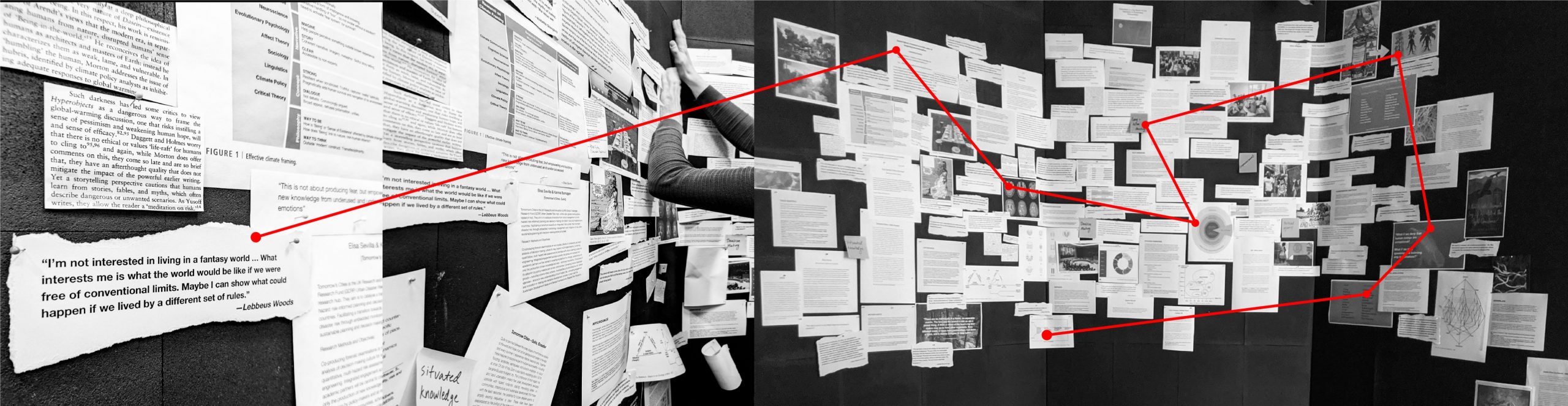
This made us reflect on something essential to all futures work: the power of critical sensemaking.
What is sensemaking?
For Karl Weick, the prominent organisational theorist and emeritus professor at the University of Michigan who coined the term, sensemaking is a creative and interpretive process of assigning significance to unforeseen circumstances. It’s a retrospective practice of making something “sensible” in ways that aren’t purely cognitive. ‘The more ready you are to deal with reality,’ he’s noted, ‘the more you can acknowledge its complexity.’
Sensemaking is a form of meaning-making in ambiguous situations—both the large-scale uncertainties and the everyday precarities. It’s an ‘unending dialogue between partly opaque action outcomes and deliberate probing’; a tool for understanding how different meanings, triggered by uncertainty, are formed from the same event.
Sensemaking speaks to our capacity to navigate interruptions, to reorganise after a break in routine. Weick observes that disruptions, both mundane and catastrophic, ask individuals to make sense of both ‘what is occurring now, and to consider what should be done next’. From this lens, sensemaking is always comparative: a process of driving present actions based on information gleaned from past unfoldings.
What makes sensemaking critical?
Critical sensemaking is not just about identifying trends or following the mainstream narrative; it’s about navigating complexity, exploring the grey areas, and drawing connections between seemingly unconnected ideas. It’s about spotting weak signals and engaging with the friction that exists on the edges—because that’s where the real possibility for change lies.
Critical sensemaking serving as a useful lens to interrogate how individual actions interact with broader social issues. It’s about moving from the question “what” to “why”. Critical sensemaking isn’t just a skill; it’s a way of engaging with the world that allows us to imagine futures that are rich, complex, and full of potential.
Reports about the future can tend toward the prescriptive, but if we’ve learned anything from our fifteen years in the field, it’s that trends aren’t always the best indicators for how events will unfold. Futures evolve by way of unexpected twists and turns, and a valuable tool to navigate through the thicket is our capacity for critical understanding, as well as our imagination.
Critical sensemaking in practice
At Superflux, this is what excites us. We don’t just look for the key trends or the obvious outliers. We embrace the messiness, the uncertainty, and the ambiguity, because we know that’s where new futures begin to take shape.
Joan Didion famously wrote that ‘we tell ourselves stories in order to live.’ What’s less often quoted is the second half of what she penned: ‘We interpret what we see, select the most workable of the multiple choices. We live entirely, especially if we are writers’—or futurists, thinkers, human beings—‘by the imposition of a narrative line upon disparate images, by the “ideas” with which we have learned to freeze the shifting phantasmagoria which is our actual experience.’
When we embrace critical sensemaking, we’re contending with the discomfort of knowing that the stories we tell ourselves aren’t always linear. We’re pushing ourselves beyond the familiar, inviting exploration at the edges of possibility. It’s not always easy. This work requires us to hold multiple, often contradictory ideas in tension. It invites us to question our own assumptions and biases. But this is where true innovation thrives.
Critical sensemaking isn’t about having all the answers, but about asking better questions. It’s about developing the mental agility to connect dots that aren’t obviously related. It’s about sitting with uncertainty and allowing it to reveal new pathways forward. It’s a cartography of the future, a way of mapping what we don’t entirely know and can’t always prepare for.
Going behind the blueprints
In his seminal paper on sensemaking and enactment, Weick considers the blind spots that emerge under conditions of secrecy in chemical plants:
‘When people make a public commitment that an operating gauge is inoperative, the last thing they will consider during a crisis is that the gauge is operating. Had they not made the commitment, the blind spot would not be so persistent.’
– Karl Weick, ‘Enacted Sensemaking in Crisis Situations’, Journal of Management Studies 25.4 (July 1988)
What happens when we go behind the blueprints, when we start to question and critique the things we’ve been conditioned to accept as immovable truths?
We need to adopt a collective stance of epistemic humility if we’re going to meet the demands of both our turbulent present and emergent futures. We need to develop a healthy distaste for absolutism and a zest for alternative viewpoints that may or may not contradict what we hold to be true, to lean into the tacit understanding that the only certainty is that nothing can be known—or predicted—for certain, and to accept that reality is often stranger than fiction.
Critical sensemaking asks us to slacken our hold on the myth of unchangeability, to question even the things that seem to underpin our entire way of experiencing the world, and to comprehend just how permeable the boundaries are between stability and fluctuation.
With 2025 on the horizon, we invite our readers to tread lightly with the prediction decks that are bound to be hitting your inboxes soon. Attempting to shape our collective futures is to grapple with the fact that futures are elastic, sticky, and indeterminate. Being able to make sense of seemingly chaotic information, to spot patterns and opportunities where others see only the daily clamour, can set us apart.
Superflux’s co-founders Jon Ardern and Anab Jain have been featured in the Financial Times Weekend as part of the newspaper’s coverage of the Venice Biennale 2021.
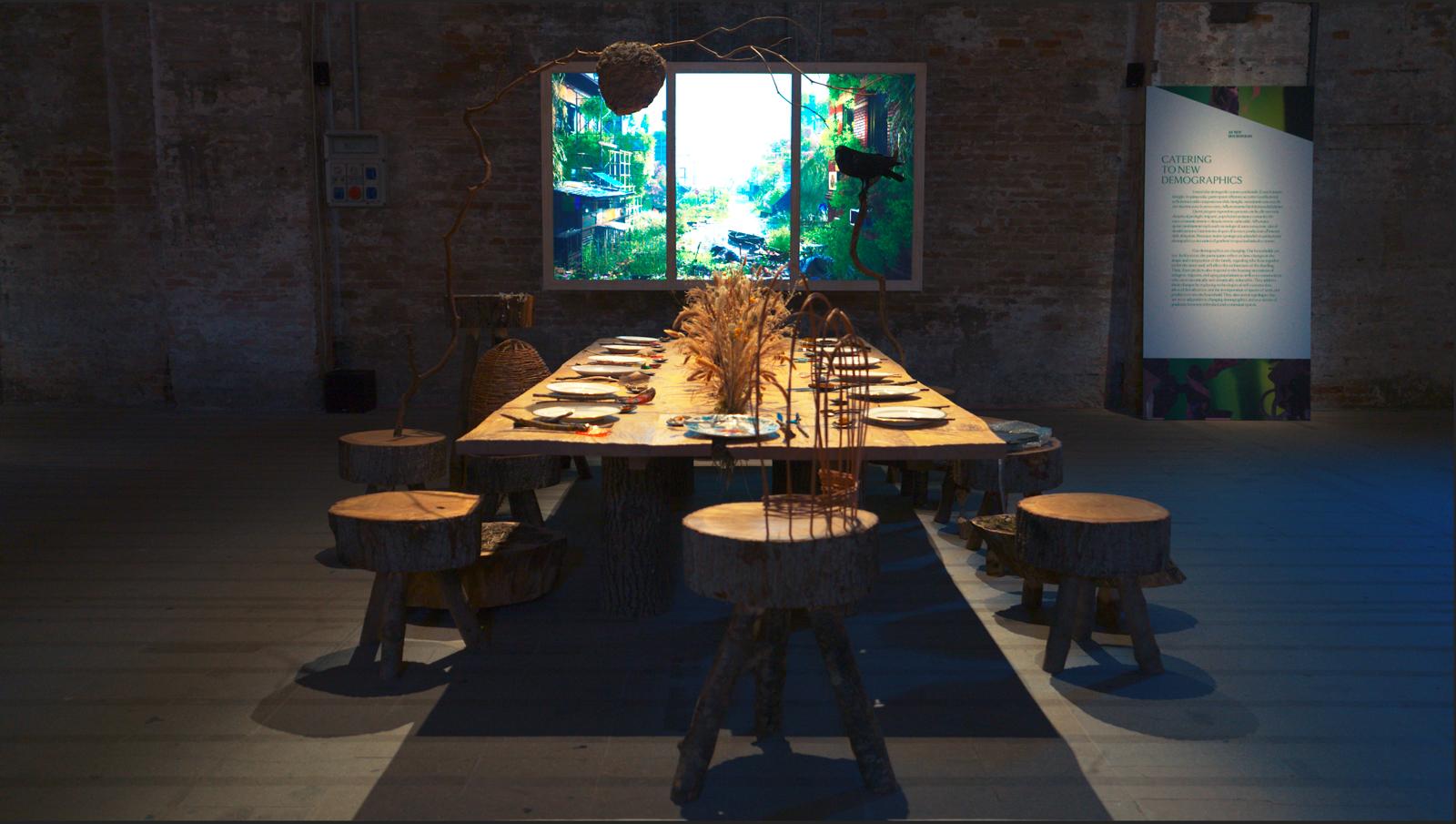
Refuge for Resurgence is on display at Venice Biennale until 21 November 2021. Image courtesy of Mark Cocksedge.
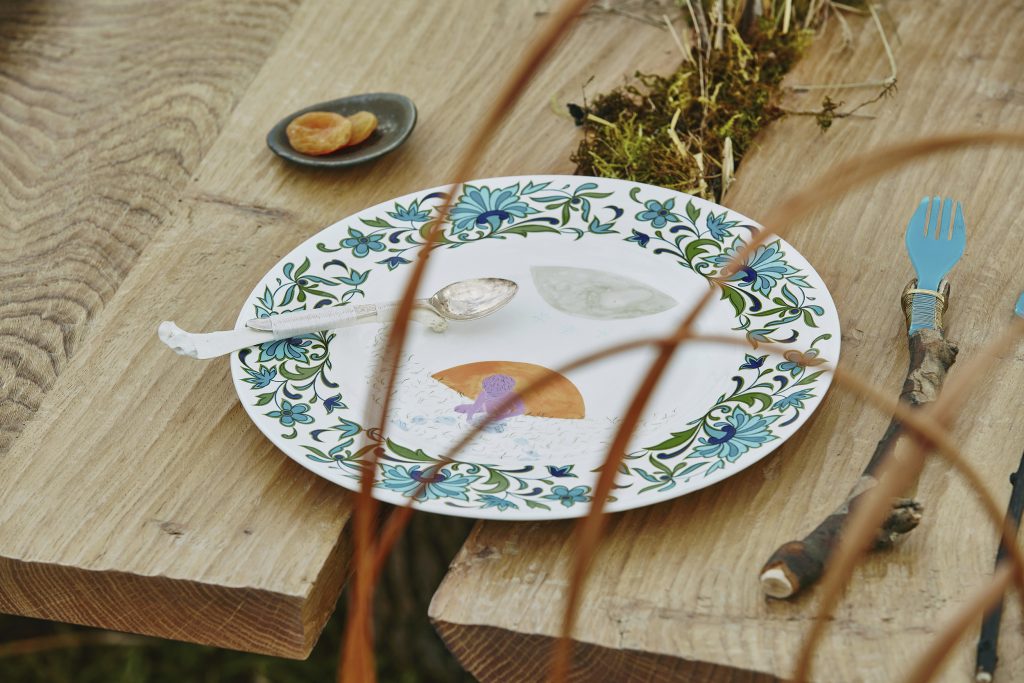
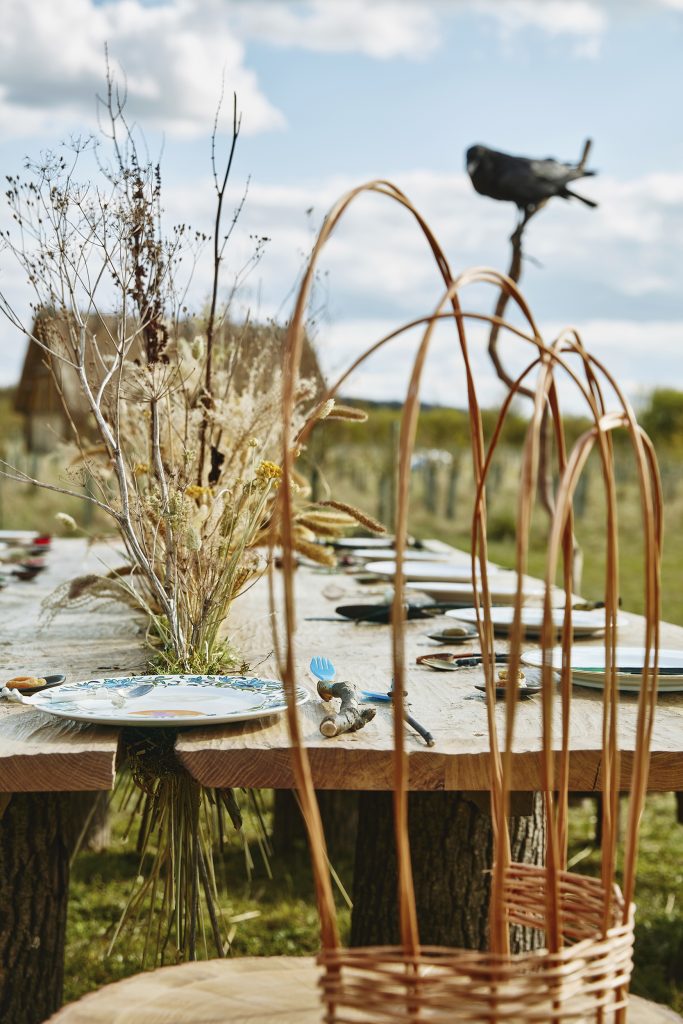
Refuge for Resurgence considers how all forms of life on earth might come together around a dinner table to celebrate their ecological interdependence in a post-Anthropocene world – a symbolic home where all species can prosper with resilience, adaptation, and hope. Occupying a space beneath the arches of the Arsenale, Refuge For Resurgence presents a magnificent 4m-long table, hand-made in Didcot from the wood of a wild Surrey oak. Placed around the table are fourteen wooden stools, and on it fourteen unique table settings, each carefully customised for the creature it is intended for.
Closeup from Refuge for Resurgence, on display at Venice Biennale until 21 November 2021. Image courtesy of Mark Cocksedge.
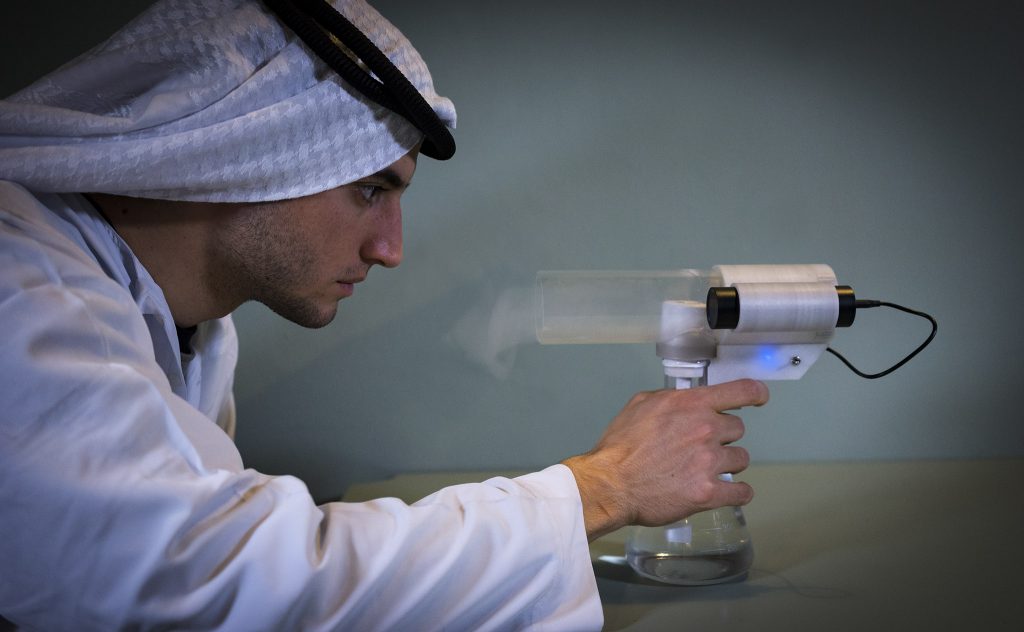
The article also touches on the thinking and process behind a number of Superflux’s key past works. This includes acclaimed projects Future Energy Lab, undertaken for the UAE’s Ministry of Energy; the film Drone Aviary which explores a future city with semi-autonomous, networked flying machines; and Better Care, a film created in response to an invitation by responsible-tech think tank Doteveryone to explore the future of technology in caregiving. The article describes how Superflux create tangible experiences from possible future worlds that people can interact with directly, and the powerful impact such experiences can have on future decision making.
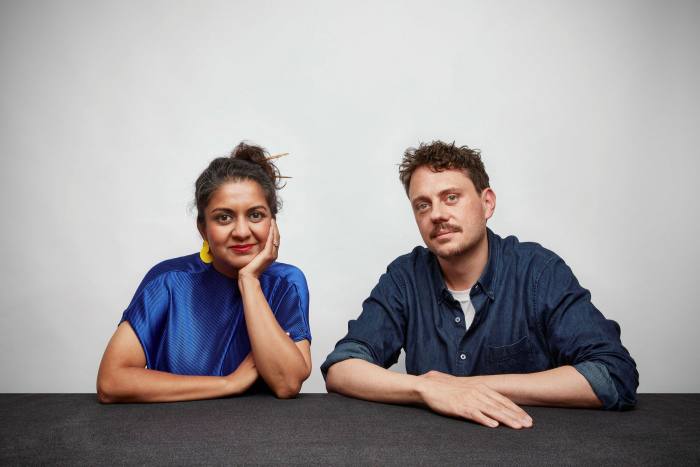
Shot from Superflux’s Future Energy Lab undertaken for the UAE’s Ministry of Energy.Anab Jain (left) and Jon Ardern (right), co-founders of Superflux Studio. Image courtesy of Mark Cocksedge.
The article centres around the recent developments in Superflux’s thinking that led to the Studio’s most recent works, Refuge for Resurgence and its sister installation, Invocation for Hope. It tells of their desire to move away from a way of living based on the concept of human exceptionalism, and towards a more-than-human world. Read more about this in Superflux co-founder Anab Jain’s essay Calling for a More-Than-Human Politics.
Closeup from Refuge for Resurgence, on display at Venice Biennale until 21 November 2021. Image courtesy of Mark Cocksedge.
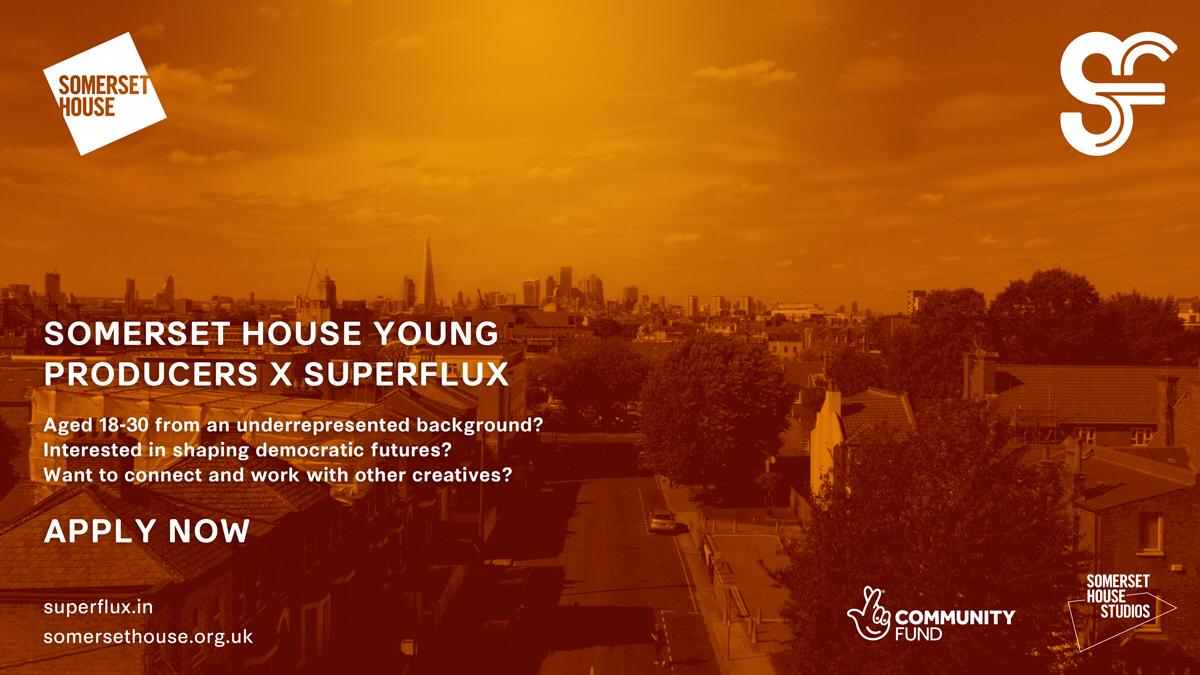
We are delighted to announce that, in collaboration with Somerset House, we have been awarded the Emerging Future Fund grant from the National Lottery Community Fund. For this project, we are partnering with Somerset’s House Young Producers to imagine of hopeful futures for the hotter world of tomorrow.
In June, Anab Jain was featured on the Standing on the Shoulders podcast series hosted by social psychologist and Guardian technology journalist Aleks Krotoski, and produced by Storythings. Standing on the Shoulders interviews “metaphorical, inspirational, Giants [..] whose symbolic shoulders you can stand on to reach greater heights”.
The podcast series aims to tell the backstories and defining moments of a range of key thinkers and visionaries such as theatre director and producer Jude Kelly and columnist and Head of Entertainment at Facebook in the UK Anna Higgs to name a few.
In the fifth episode of the series, Aleks and Anab discuss Anab’s role as a futurist of colour, and the backstory and inspirations that led her to co-found Superflux studio with Jon Ardern in 2009.
Listen to the podcast here or read on for a summary of the topics discussed and some recommended further reading.
The podcast begins by discussing Anab’s cross-cultural perspectives, a result of her Indian upbringing. Anab describes growing up, not with western science-fiction, but instead with Indian “multi-species” mythology. She explores how this has impacted her approach and work at Superflux.
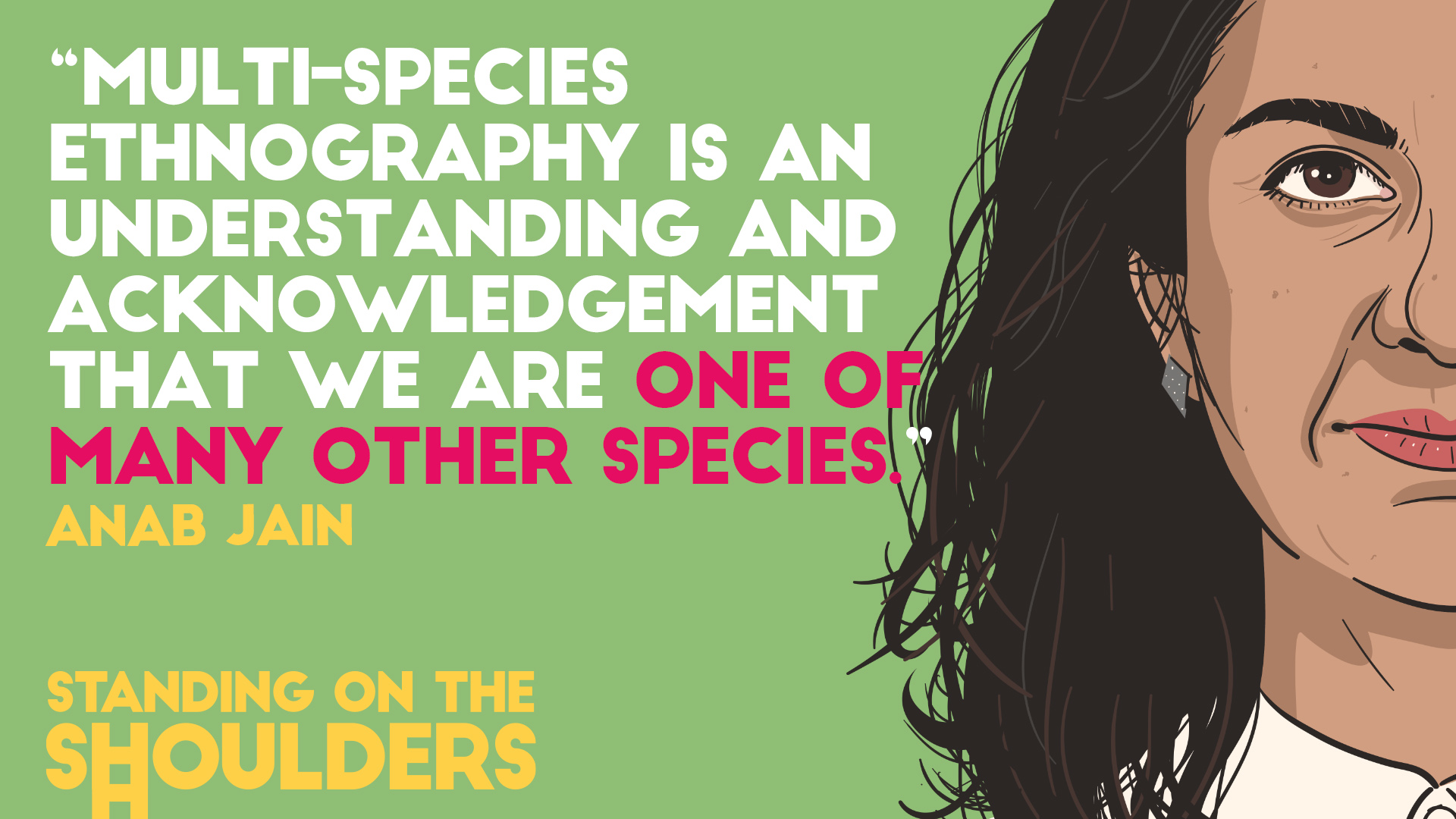
Different cultures think about human being-ness in this world differently. It makes me reflect that actually increasingly, we are going to need to live in a world where human exceptionalism or individualism must give way to collaboration and networks of care and multi-species understanding […] Multi-species ethnography is just this kind of noticing and an understanding and acknowledgment that we are one of many species.
– Anab Jain
The conversation moves on to Anab’s journey to where she is now: from school through to founding Superflux via a Degree in filmmaking; a Masters in Interaction Design at the Royal College of Art; and positions at Nokia and Microsoft Research.
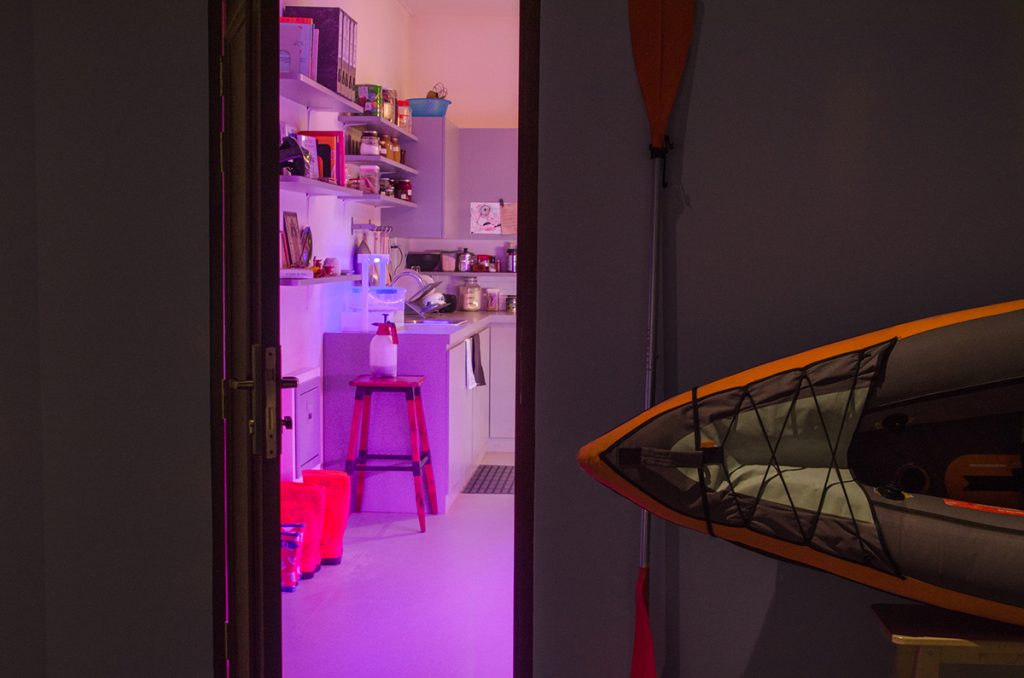
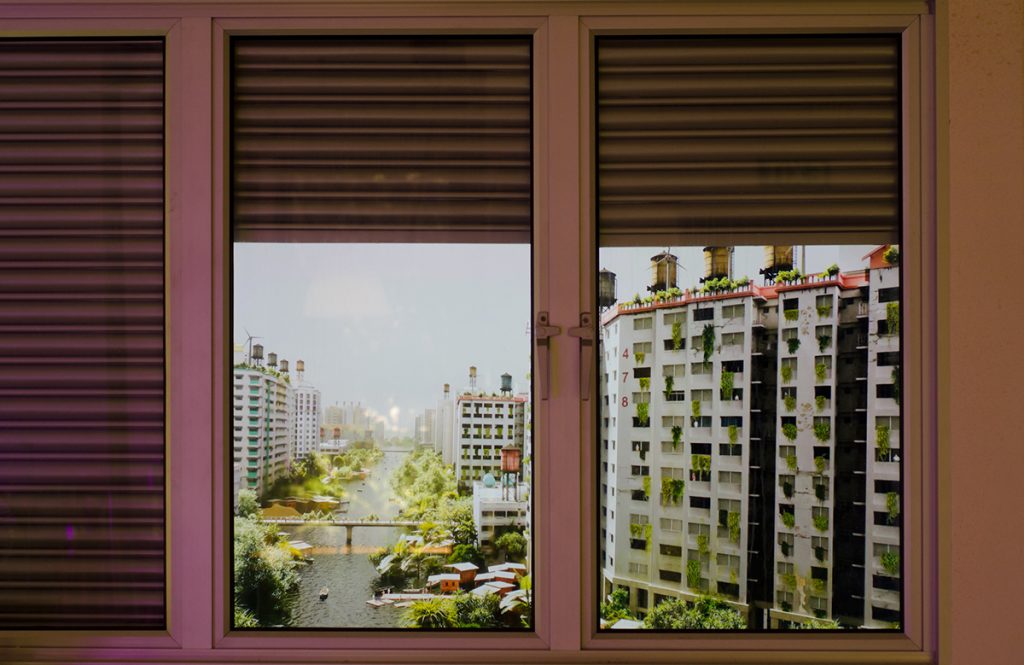
Anab and Aleks then discuss Superflux’s recent work, Mitigation of Shock. Mitigation of Shock was first exhibited as part of After the End of the World at Centre de Cultura Contemporània de Barcelona in 2017 and more recently as part of2219: Futures Imagined at ArtScience Museum Singapore. The installation invites visitors into a family home set in a future severely impacted by climate change. Visitors are able to explore the many ways the apartment’s inhabitants have radically adapted their lives to survive, and thrive, in these new circumstances.
In this instance, we chose to invite people into something that they experience every day, their homes, a very domestic space – but set in the future. What would our homes look like and feel like in a world that has been severely impacted by climate change? And so we built this London apartment set around 2050 or so, when Jon and my son, who was six at that point, would be around our age. It was far enough in the future to affect an entirely new generation of people.
The Standing on the Shoulders series aims to understand who the inspirational figures have been in each featured “giant’s” journey. Anab discusses the ways in which philosopher Timothy Morton’s concept of “Hyperobjects” and Anna Tsing’s 2015 book The Mushroom at the End of the World: On the Possibility of Life in Capitalist Ruins helped her and Jon Ardern to develop the ideas behind Mitigation of Shock. From the concepts of “multi-species ethnography” to the idea of “destruction as a productive force”, she discusses learnings about human expectations and social imagined futures.
We need to look at, and kind of “stay with”, these entanglements and observe them more closely – with nuance to see our own role in this world. So I think that’s how I see it anyway.
– Anab Jain
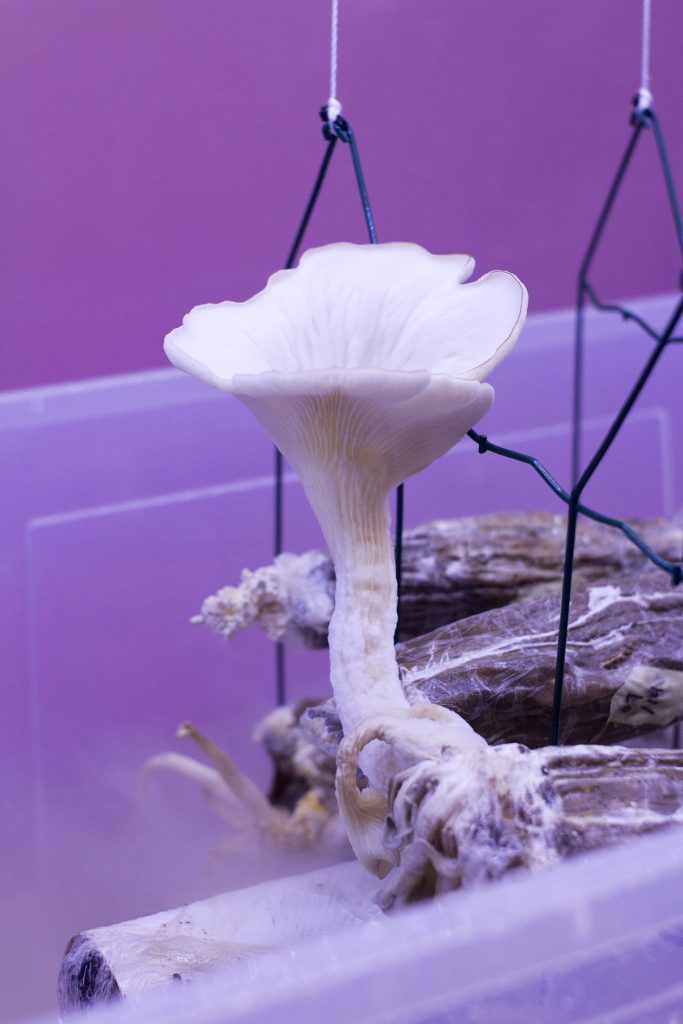
Oyster mushrooms growing in the Superflux studio, “amidst disturbances”
The podcast is rounded up with reference to the political situation today and why it is imperative that we apply these principles to begin to move towards more hopeful futures.
They’re all moving through such short political cycles that they are not able to make long term decisions. We are trapped in a short-term political cycle. And unfortunately, a lot of the senior level people have very strong vested interests, and things need to change at that level.
– Anab Jain
Even though, if you look around us, the way the future or our present is unfolding is complex, messy, chaotic, turbulent. The trends reports and the kind of visions that are presented to us by those who have the power to present those visions are often clean, white, shiny, seductive. And unfortunately, the future is not going to be like that. It’s going to be standing on the bones of our actions and decisions that we’re making today. So I think if we are able to liberate ourselves from this shiny future idea, we might benefit a lot.
– Anab Jain
We’d like to thank the Standing on the Shoulders team for bringing together this fantastic series. You can find the rest of the episodes on the Standing on the Shoulders website.
Superflux is excited to announce that we are a partner on CreaTures: Creative Practices for Transformational Futures, a transdisciplinary project that will identify how the arts can address climate change and its effects through identifying existing, often hidden transformational, creative practices.
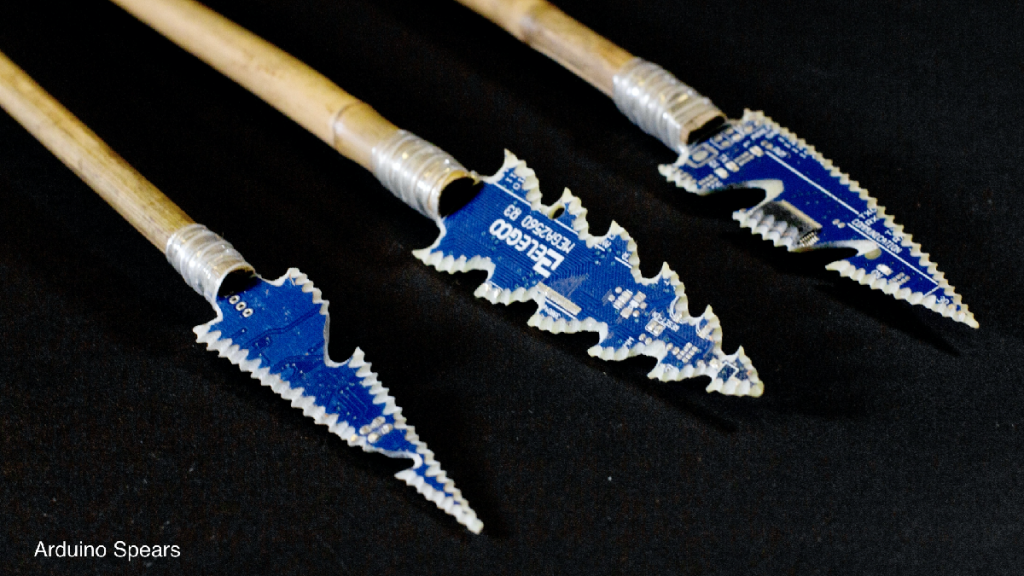
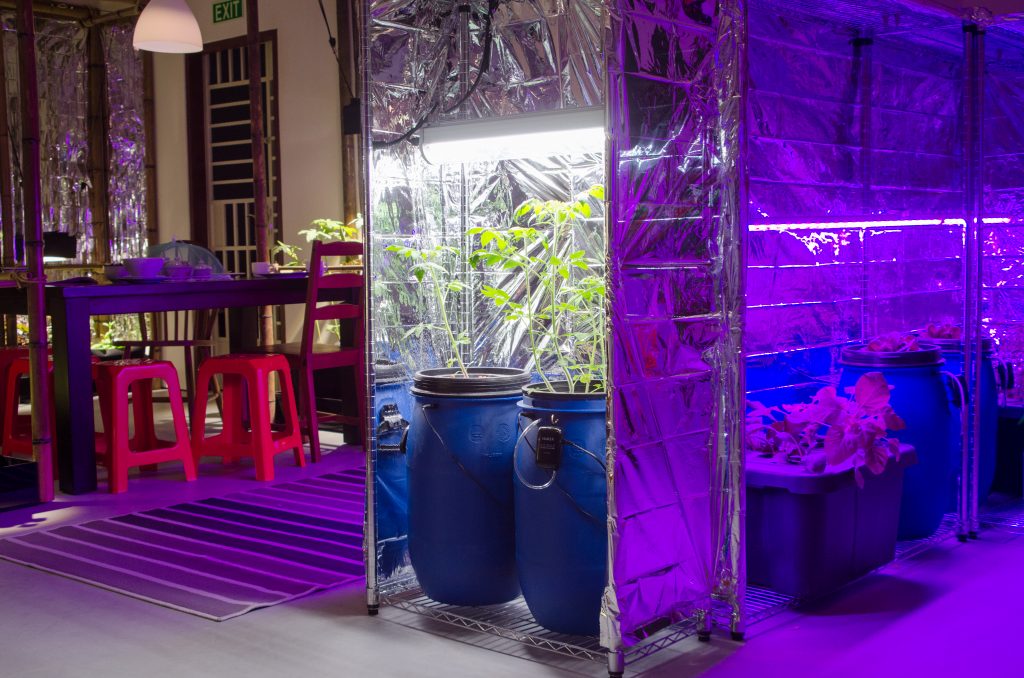
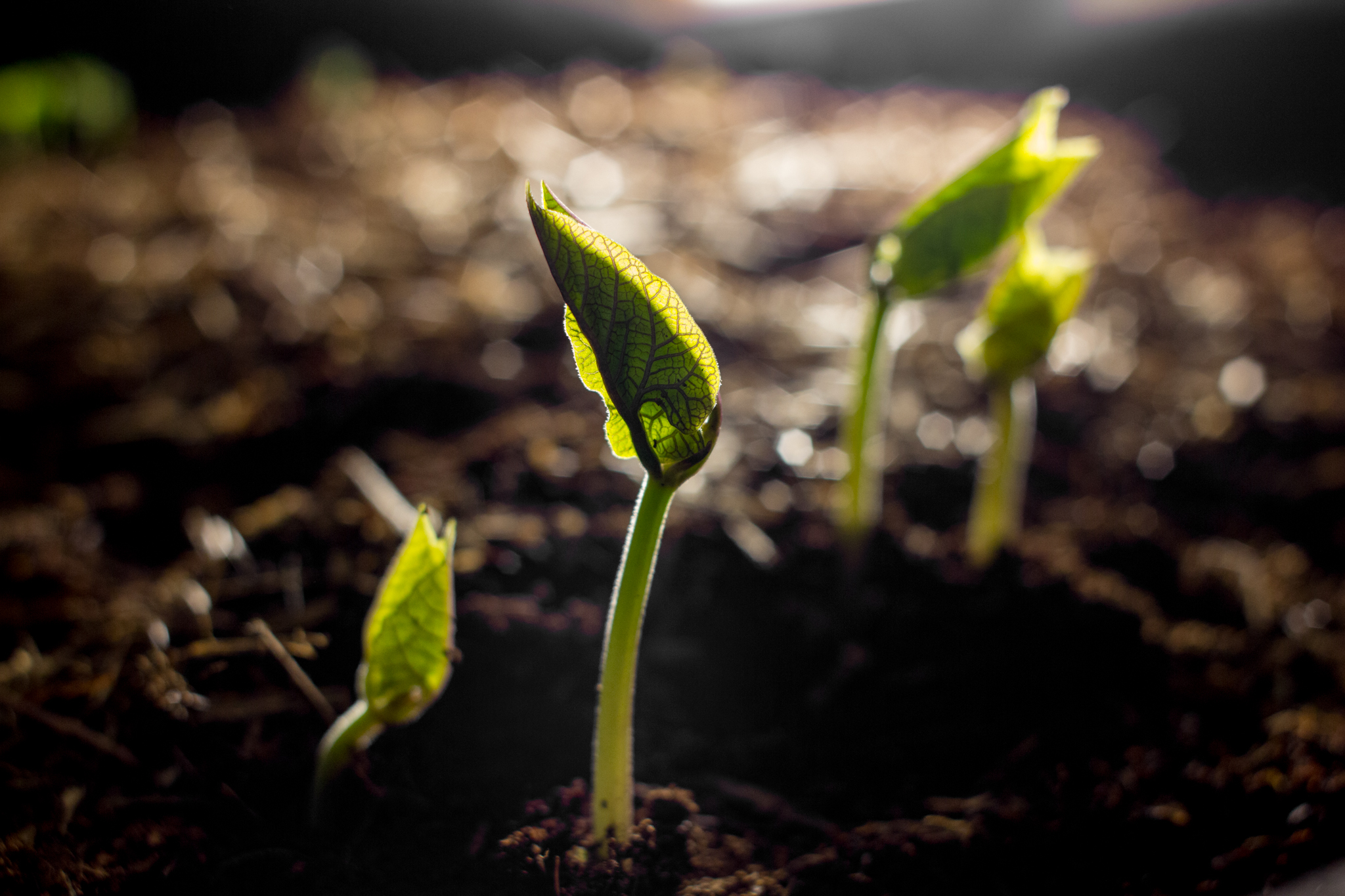
From Aeroponics to Fogponics, Kratky to Permaculture, we present a glimpse of our indoor farming experiments, methods and prototypes developed for ‘Mitigation of Shock’.
Instant Archetypes: A New Tarot for the New Normal is our new futures toolkit to activate creative and critical thinking through live storytelling, problem-solving and insight exploration. Now on Kickstarter!
This website uses cookies to improve your experience. We'll assume you're ok with this, but you can opt-out if you wish. Cookie settingsACCEPT
Privacy & Cookies Policy
Privacy Overview
This website uses cookies to improve your experience while you navigate through the website. Out of these cookies, the cookies that are categorized as necessary are stored on your browser as they are essential for the working of basic functionalities of the website. We also use third-party cookies that help us analyze and understand how you use this website. These cookies will be stored in your browser only with your consent. You also have the option to opt-out of these cookies. But opting out of some of these cookies may have an effect on your browsing experience.
Necessary cookies are absolutely essential for the website to function properly. This category only includes cookies that ensures basic functionalities and security features of the website. These cookies do not store any personal information.
Any cookies that may not be particularly necessary for the website to function and is used specifically to collect user personal data via analytics, ads, other embedded contents are termed as non-necessary cookies. It is mandatory to procure user consent prior to running these cookies on your website.
 The Power of Critical Sensemaking in Shaping Future(s)
 Superflux’s new immersive installation opens at Museum of the Future, Dubai
  “Dreamed-up Designs”: a Financial Times feature on Superflux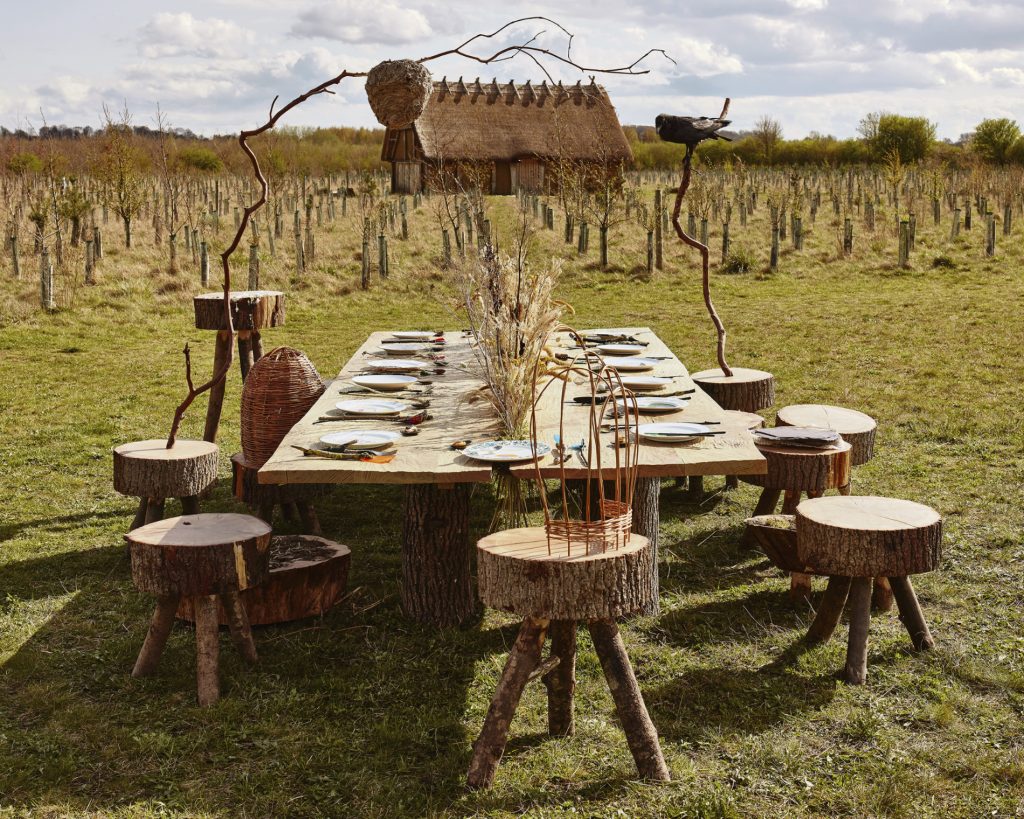
 Emerging Futures Grant from National Lottery Community Fund
  ‘Standing on the Shoulders’ Podcast: On Plural Futures and Multi-Species Companionship
 Superflux Invited to La Biennale Di Venezia 2021
  EU Horizon 2020 Grant for Superflux and Partners
  Experiments in Indoor Farming
 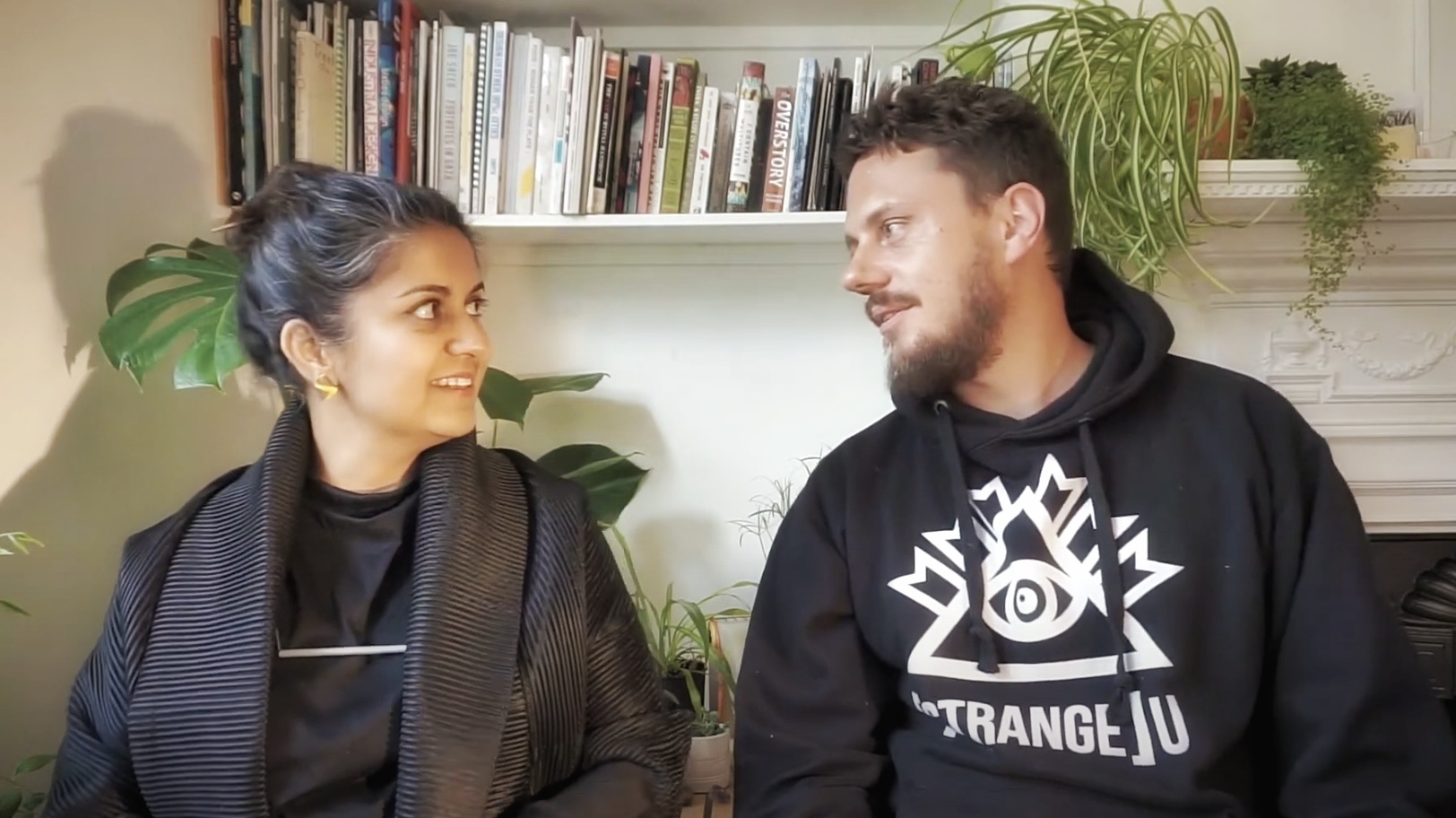 Superflux Feature in ‘Feeling the Future’ Conference
  Instant Archetypes: A toolkit to imagine plural futures